Review
Sumo
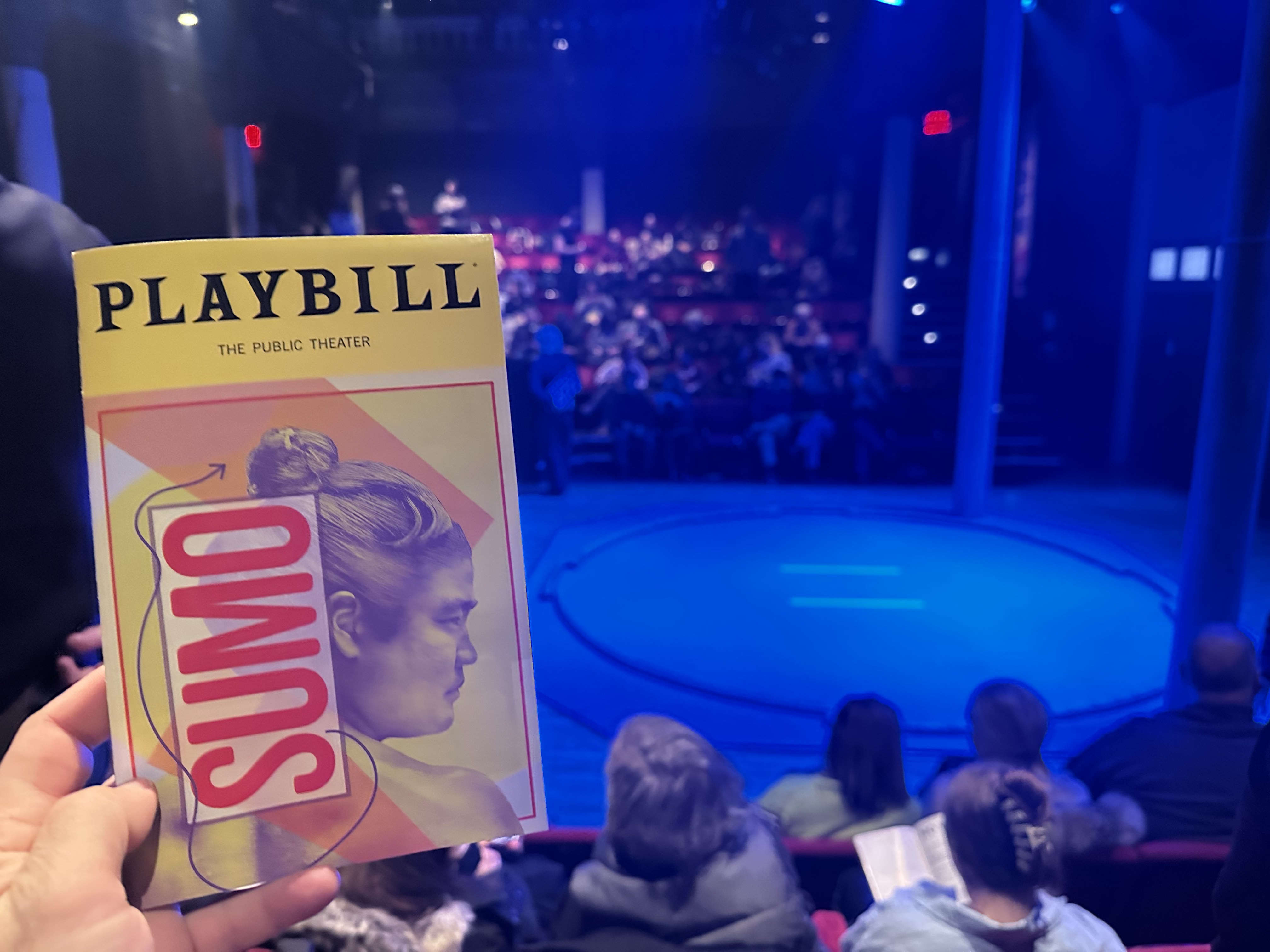
Sumo at The Public Theater: A Powerful Exploration of Masculinity, Tradition, and Transformation

Lisa Sanaye Dring's Sumo, now making its New York premiere at The Public Theater, plunges audiences into the rarely-seen world of elite sumo wrestling, offering a visceral and thought-provoking exploration of masculinity, ambition, and the arduous process of self-discovery. Entrenched in a rigorous training facility in Tokyo, six men practice, eat, love, play, and ultimately fight, their lives intertwined in a complex tapestry of competition, camaraderie, and cultural expectation. This compelling drama, co-produced by Ma-Yi Theater Company and La Jolla Playhouse and directed by Ralph B. Peña, captivates from its opening moments to its emotionally resonant conclusion.
From the outset, Sumo establishes a unique theatrical language, employing three wry narrators whose presence—part divine observers, part muses, part cultural commentators—adds a layer of humor and insightful perspective. Their dialogue is sharp and witty, offering observations on the rituals and traditions of sumo while also providing context for the uninitiated. They pop up throughout the performance, sometimes explaining cultural nuances, sometimes offering a detached yet knowing commentary on the unfolding drama. While their exact nature remains delightfully ambiguous, their presence enhances the story rather than distracting from it, providing a clever framework for navigating the complex world of sumo and the internal struggles of its practitioners.
The play centers around Akio, an ambitious and initially arrogant 18-year-old who arrives at the training facility with dreams of validation, dominance, and fame. He quickly discovers that the path to success in sumo is paved with grueling discipline, physical sacrifice, and a profound emotional toll. His journey is not just about mastering the techniques of the sport but also about confronting his own limitations, prejudices, and ultimately, his understanding of what it means to be a man. Akio's trajectory is compelling, marked by both setbacks and small victories, and his eventual transformation feels earned and authentic.
Dring’s writing skillfully crafts a rich ensemble of characters, each wrestler with his own distinct personality, motivations, and insecurities. The dynamics between these men are complex, shifting from fierce rivalry to deep bonds of brotherhood. The play effectively portrays the intense pressure they face, not only from their coaches and sponsors but also from the weight of tradition and the expectations of their culture. They are constantly judged, not just on their physical prowess but also on their adherence to a strict code of conduct that dictates everything from their diet to their social interactions.
What truly elevates Sumo is its unflinching exploration of masculinity. The play challenges traditional notions of strength and dominance, revealing the vulnerability and emotional depth that lie beneath the surface of these seemingly larger-than-life figures. The sumo ring becomes a microcosm of societal pressures, where men are expected to be tough, stoic, and unwavering in their pursuit of victory. Yet, Sumo suggests that true strength lies not only in physical power but also in the courage to confront one's own weaknesses and embrace vulnerability.
One of the most compelling aspects of Sumo is its exploration of the complex relationships between the wrestlers. Dring's writing delves beneath the surface of these seemingly stoic athletes, revealing a range of emotions and unexpected connections. The play subtly explores the challenges faced by those who dare to defy societal expectations, highlighting the tension between personal desires and the pressures to conform to traditional norms. This exploration adds a layer of depth and emotional resonance to the narrative, enriching the play's examination of identity and acceptance.
The scenes depicting sumo wrestling tournaments are remarkably believable. While choreographed, the actors' performances are so convincing that they effectively capture the raw power and athleticism of the sport. They embody the physicality of sumo with remarkable skill, creating a sense of genuine tension and excitement that draws the audience into the heart of each match. Even though the outcomes are predetermined, the actors' commitment to their roles makes every clash feel unpredictable and engaging. The energy in these scenes is palpable, and the dedication to realistically portraying this demanding sport is evident.

The production elements of Sumo are equally impressive. The set design, though minimalist, effectively creates the atmosphere of the sumo training facility. Central to the stage is the dohyō (sumo ring), which serves as the primary setting for the majority of the play. This design choice cleverly reinforces the importance of the ring, not just as a physical space for competition, but as a symbolic arena where the characters grapple with their ambitions, fears, and ultimately, their identities. The costumes are authentic and functional, highlighting the physicality of the wrestlers.
Further enhancing the production are the lighting and sound design, which work seamlessly to create a sense of immersion. The unique projections utilized throughout the show add a remarkable layer of depth and richness to the visual storytelling. These projections, ranging from subtle textures to more explicit imagery, effectively enhance the emotional impact of key scenes and provide a visual counterpoint to the physical action on stage. But perhaps the most striking element of the production is the live taiko drumming by Shih-Wei Wu. The powerful rhythms of the taiko drums underscore the intensity of the wrestling matches, adding a visceral and almost primal dimension to the performance. The drumming is not just background music; it becomes an integral part of the storytelling, amplifying the emotional impact of key moments and creating a sense of ritual and tradition.
Ralph B. Peña's direction is masterful, bringing Dring's script to life with a keen eye for detail and a deep understanding of the characters. The pacing of the play is generally excellent, building tension gradually and allowing the emotional weight of the story to resonate fully. However, there were moments where the pacing lagged slightly, a momentary drag that threatened to disrupt the momentum. Some tighter directing or quicker dialogue in certain scenes could potentially alleviate this issue. Yet, these brief lulls were quickly overshadowed by the compelling narrative and strong performances, ultimately proving to be a minor, non-deal-breaking flaw. Peña effectively utilizes the stage space, creating dynamic stage pictures and ensuring that the audience is fully engaged in the unfolding drama.
Sumo is not just a play about sumo wrestling; it is a play about the human condition. It explores universal themes of ambition, identity, belonging, and the search for meaning in a world that often imposes narrow definitions of success. It is a play that challenges us to examine our own preconceptions about masculinity and to consider the pressures faced by those who strive to achieve their dreams, often against considerable odds.

This powerful and moving drama will stay with you long after you leave the theater. It is a must-see for anyone interested in character-driven stories, explorations of masculinity, or simply a compelling and thought-provoking theatrical experience. Sumo is a triumph of playwriting, acting, directing, and design, offering a unique and unforgettable glimpse into a world rarely seen onstage. I highly recommend it.
I saw this show with a free ticket I acquired through the Theatr App.