Review
Dreamscape
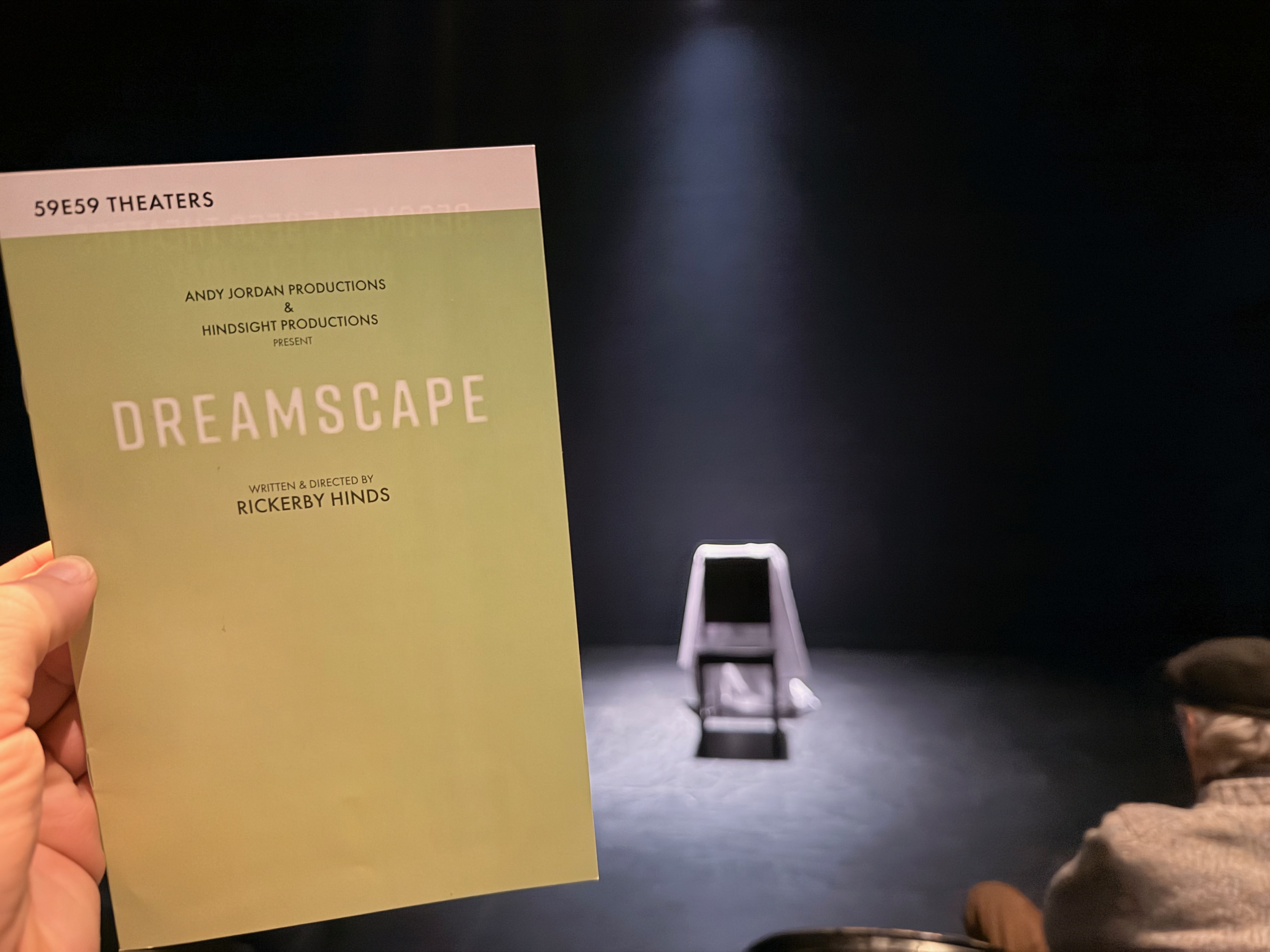

I saw Dreamscape on January 20, 2026 at 7:30pm at 59E59 Theaters as part of SoHo Playhouse’s International Fringe Encore Series, and I left completely wrecked. This is one of those shows that does not ask for your attention. It takes it. Quietly at first, then all at once.
Written and directed by Rickerby Hinds, with choreography by Carrie Mykuls, Dreamscape is inspired by the true story of Tyisha Miller, a nineteen year old Black girl killed by police while she lay unconscious in her car in Riverside, California, in 1998. The show does not reenact the violence in a sensational way. Instead, it does something far more devastating. It imagines her inner life. Her humor. Her boredom. Her dreams. The ordinary sweetness of being nineteen and thinking you have time.
Structurally, the show is framed around the autopsy report, specifically the twelve bullet wounds that ended Tyisha Miller’s life. Each section corresponds to one of those wounds. That sounds clinical on paper, but onstage it becomes something else. Each bullet “count” takes something away. A possibility. A future. A version of a life that never gets to happen. The contrast between the cold language of the report and the warmth of the imagined inner world is where the show hits hardest.
The piece is performed by Natali Micciche and Josiah Alpher, and the contrast between their roles is where the show truly takes hold. Alpher delivers the autopsy language with chilling precision, while also providing the interstitial beatboxing and voicing statements from the police officers involved. His performance is steady, controlled, and clinical, anchoring the audience in the cold, official reality of what happened. Against that rigidity, Micciche feels almost unbearably alive. She is deeply moving, with emotions visibly rising to the surface as tears well in her eyes at key moments. When she dances, there is a sense of freedom and release, as if her body is trying to outrun the facts being spoken aloud. Her movement feels joyful, defiant, and young, full of the life that should have stretched far beyond nineteen. Then, just as she seems to escape into that freedom, the next wound is announced, and it feels as though an invisible hand grabs her and yanks her back into reality. Each return is brutal. The shift from motion and breath back into the language of damage is devastating, and Micciche makes you feel that loss in her body as much as in the words. The storytelling, built through spoken word, beatboxing, and hip hop movement, gives the show a pulse that feels immediate and human. That vitality is exactly what makes the tragedy so difficult to sit with.

What broke me was how gentle the piece is. This is not a show driven by rage, though rage would be justified. It is driven by grief, by tenderness, and by an aching sense of loss. It asks you to sit with the fact that this was a child. A teenager with jokes, crushes, boredom, hope. Another young Black life ended before it ever really began. Another name. Another story that should not be over.

By the end, I was in pieces. Not sobbing loudly, but hollowed out. Tired in a deep way. I am so weary of watching these stories repeat themselves. So tired of lives snuffed out and then explained away by systems that refuse accountability. The show does not tell you what to think, but it leaves you with the weight of knowing that doing nothing is not neutral. Silence is not neutral.

Dreamscape is devastating and necessary. It is art that refuses to let statistics replace humanity. It honors a life by imagining it fully, then forces you to confront how casually it was taken. I did not leave with answers. I left with grief, anger, and a quiet, heavy sadness that stayed with me long after I walked out of the theater. This is a show that matters, even when it hurts.